Insights
‘Beyond the noise’ cuts through the chatter with clear, actionable insights on tech, SaaS, and product. A no-fluff blog by Eli5 and friends.
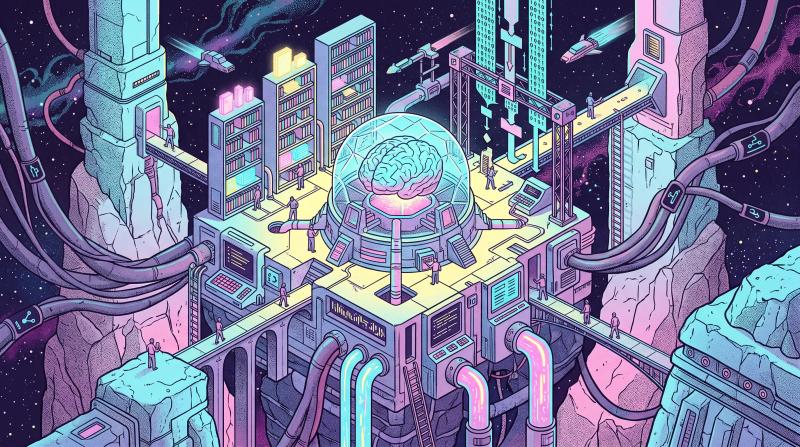
Meta's AI second brain reaches 63,000 employees: the infrastructure did the heavy lifting
There is a wave of application rebuilding and replacement going on. At Eli5, we review articles about software modernization every week to find real value for CTOs, PMs, and POs who have to deal with the modernization of legacy software. "The agent is only as useful as the systems it can reach." (Analytics at Meta)

Top 10 software modernization companies in the Netherlands (2026)
Software modernization is the practice of rebuilding, replatforming, or re-engineering outdated business software so it stays fast, secure, and maintainable. In the Netherlands, the leading specialists in legacy modernization and application rebuilds are agile studios like Eli5, Enrise, and Kabisa. This list ranks the best of them.

Forward deployed engineers: the hottest job in AI and the modernization work it cannot skip
There is a wave of application rebuilding and replacement going on. At Eli5, we review articles about software modernization every week to find real value for CTOs, PMs, and POs who have to deal with the modernization of legacy software. This week we looked at two pieces that describe the same role from opposite ends. One calls the forward deployed engineer (FDE) the hottest job in tech. The other warns that it is quietly becoming enterprise AI's newest single point of failure. Both are right, and reading them together tells you more than either one does on its own.
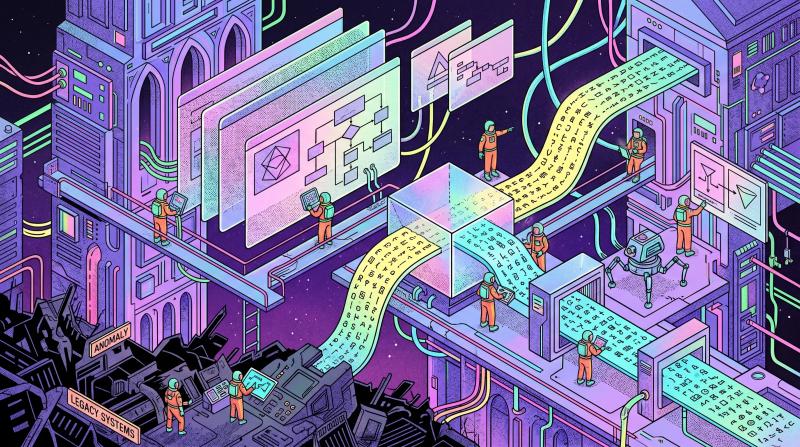
AI software architecture: How the role of the software architect is changing
There is a wave of application rebuilding and replacement going on. At Eli5, we review articles about software modernization every week to find real value for CTOs, PMs, and POs who have to deal with the modernization of legacy software. This week we reviewed a piece by an engineer at Sony Sports arguing that AI is rewriting what software architecture is for. The claim is sharp and worth taking seriously: architecture used to coordinate humans, and now it has to coordinate machines that write code faster than anyone can review it. We agree with where the author lands. We disagree with some of how he gets there, and that disagreement is where the useful part sits for anyone running real systems.
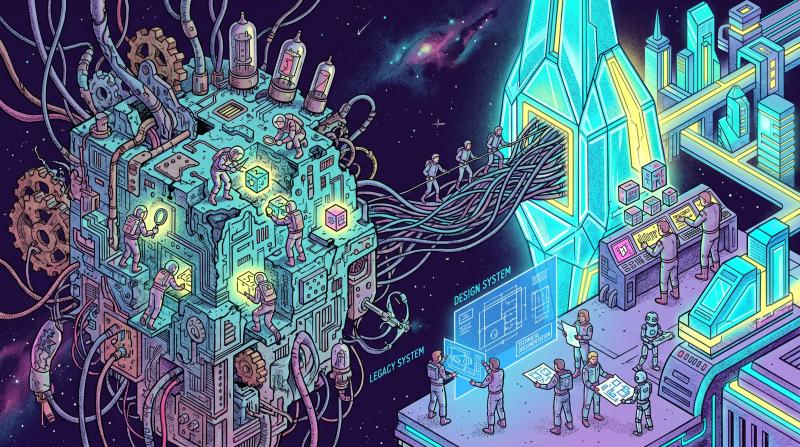
DesignVerse raised $5.5m to take humans out of modernization. We think the hard part is still human.
There is a wave of application rebuilding and replacement going on. At Eli5, we review articles about software modernization every week to find real value for CTOs, PMs, and POs who have to deal with the modernization of legacy software. This week we reviewed an announcement from DesignVerse, a Bucharest-based enterprise AI startup that raised $5.5m in seed funding to scale a platform that generates production software from a customer's design system, component library and technical documentation. The press release leans heavily on EUROCONTROL, the Pan-European aviation organisation, as a flagship customer, with the headline claim that the platform modernized a 15-year-old application in just over a month versus an estimated six. The founders, ex-Oracle on the design side and ex-automotive AI on the engineering side, position the product as the responsible alternative to vibe coding for mission-critical enterprise software. The whole pitch sits on one premise: with the right AI platform, the human work in enterprise modernization can be largely engineered away. That premise is what we wanted to test against what we actually see in legacy environments.
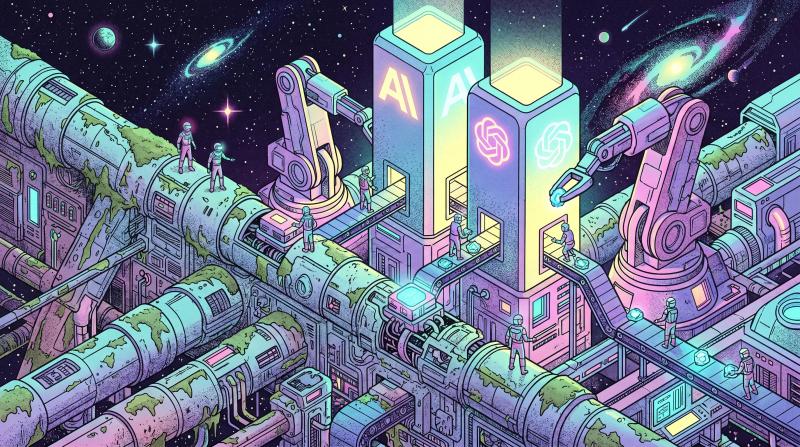
Frontier labs go enterprise: the next phase of software and infrastructure modernization
There is a wave of application rebuilding and replacement going on. At Eli5, we review articles about software modernization every week to find real value for CTOs, PMs, and POs who have to deal with the modernization of legacy software. This week we reviewed two announcements that landed within seven days of each other and that, taken together, signal a real shift in how enterprise AI is going to be delivered. On May 4th, Anthropic announced a new enterprise AI services company together with Blackstone, Hellman & Friedman and Goldman Sachs, with a stated focus on mid-sized businesses like community banks, regional health systems and multi-site healthcare groups. Seven days later, on May 11th, OpenAI launched its own Deployment Company, backed by TPG, Bain Capital, Brookfield, Goldman Sachs and a long list of others, with more than 4 billion in initial funding and the acquisition of an applied AI firm called Tomoro to bring in roughly 150 forward deployed engineers from day one. Both announcements say the same thing in different words: the model itself is no longer the bottleneck, the deployment inside the organization is.
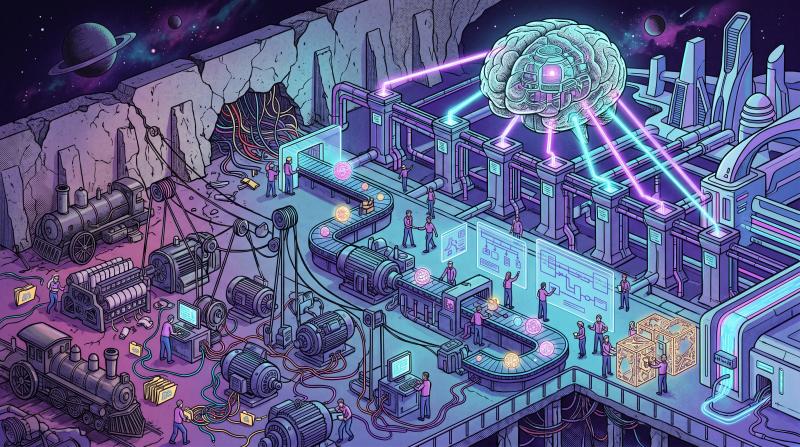
Eli5 article review series: Institutional AI versus Individual AI
This week, we reviewed an opinion piece from George Sivulka, founder of Hebbia, published on the Andreessen Horowitz newsletter. The article makes the case that AI has made individuals ten times more productive, but no company has become ten times more valuable as a result. Where did the productivity go? There is a wave of application rebuilding and replacement going on. At Eli5, we review articles about software modernization every week to find real value for CTOs, PMs, and POs who have to deal with the modernization of legacy software. This piece sits right at the intersection of the AI hype and the practical reality of organizations that still run on systems built for a different era.
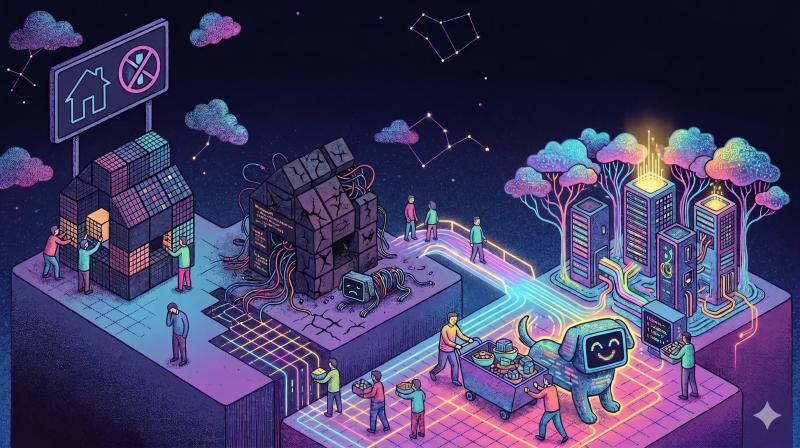
Eli5 article review series: The end of one-time software modernization projects
This week, we reviewed a podcast featuring Sam Corcos regarding the "care and feeding" of software. He introduces the idea that software modernization as a concept stems from a flawed notion that developing software is a one-time project: a check you write once and then never touch again. There is a wave of application rebuilding and replacement going on. At Eli5, we review articles about software modernization every week to find real value for CTOs, PMs, and POs who have to deal with the modernization of legacy software.

The CAPEX and OPEX of software modernization
Rebuilding or refactoring legacy systems requires a substantial initial investment. For many organizations, securing the capital expenditure (CAPEX) is seen as the primary hurdle. We believe the true test of a successful modernization project comes immediately after: the decision to invest in CAPEX must be followed by a well thought out strategy for Operational Expenditure (OPEX).
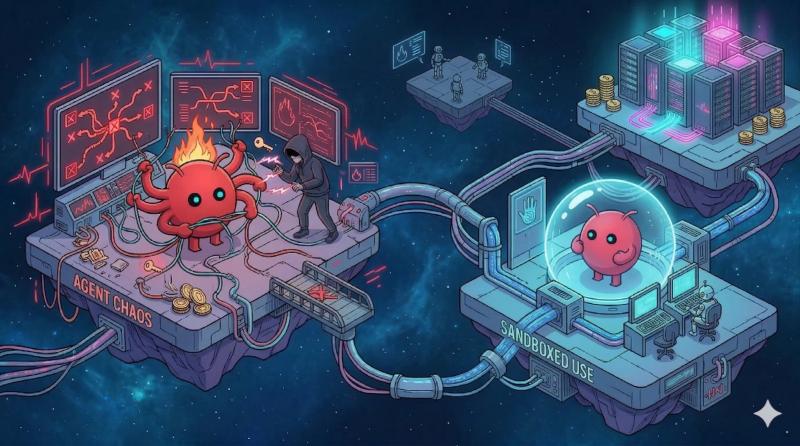
Eli5 article review series: Governing autonomous ai tools in legacy systems
This week, we reviewed an overly optimistic article regarding openclaw and its potential use in enterprise environments. There is a dangerous misconception that viral, autonomous AI assistants can simply be plugged into existing corporate systems without massive security risks. There is a wave of application rebuilding and replacement going on. At Eli5, we review articles about software modernization every week to find real value for CTOs, PMs, and POs who have to deal with the modernization of legacy software.
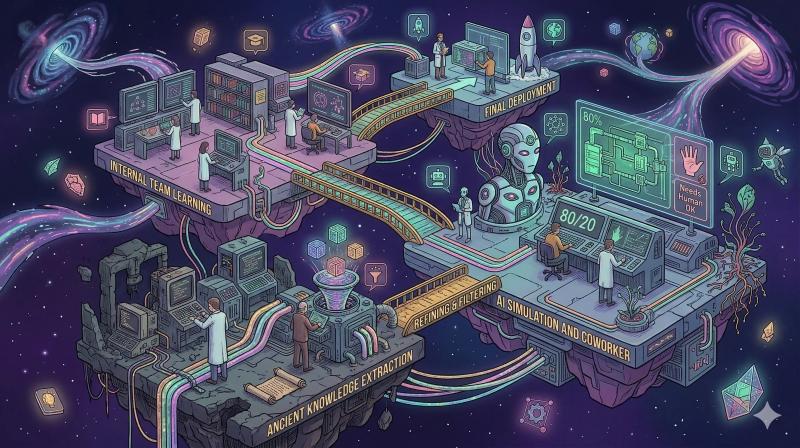
Eli5 article review series: the human in software modernization and AI implementations
This week, we reviewed articles regarding agentic AI and legacy software modernization. There is a wave of application rebuilding and replacement going on. At Eli5, we review articles about software modernization every week to find real value for CTOs, PMs, and POs who have to deal with the modernization of legacy software.
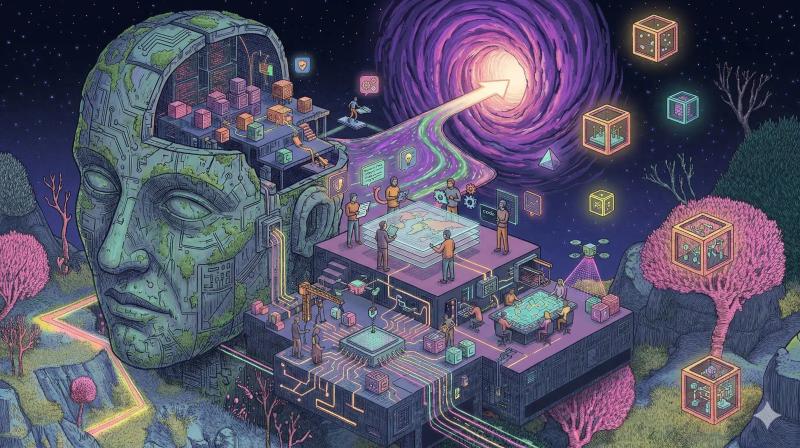
Eli5 article review series: agent orchestration and software modernization
This week, we reviewed articles regarding agent orchestration and software modernization. There is a wave of application rebuilding and replacement going on. At Eli5, we review articles about software modernization every week to find real value for CTOs, PMs, and POs who have to deal with the modernization of legacy software.